
Healthcare in Ghana: What You Need to Know Before Moving or Retiring There
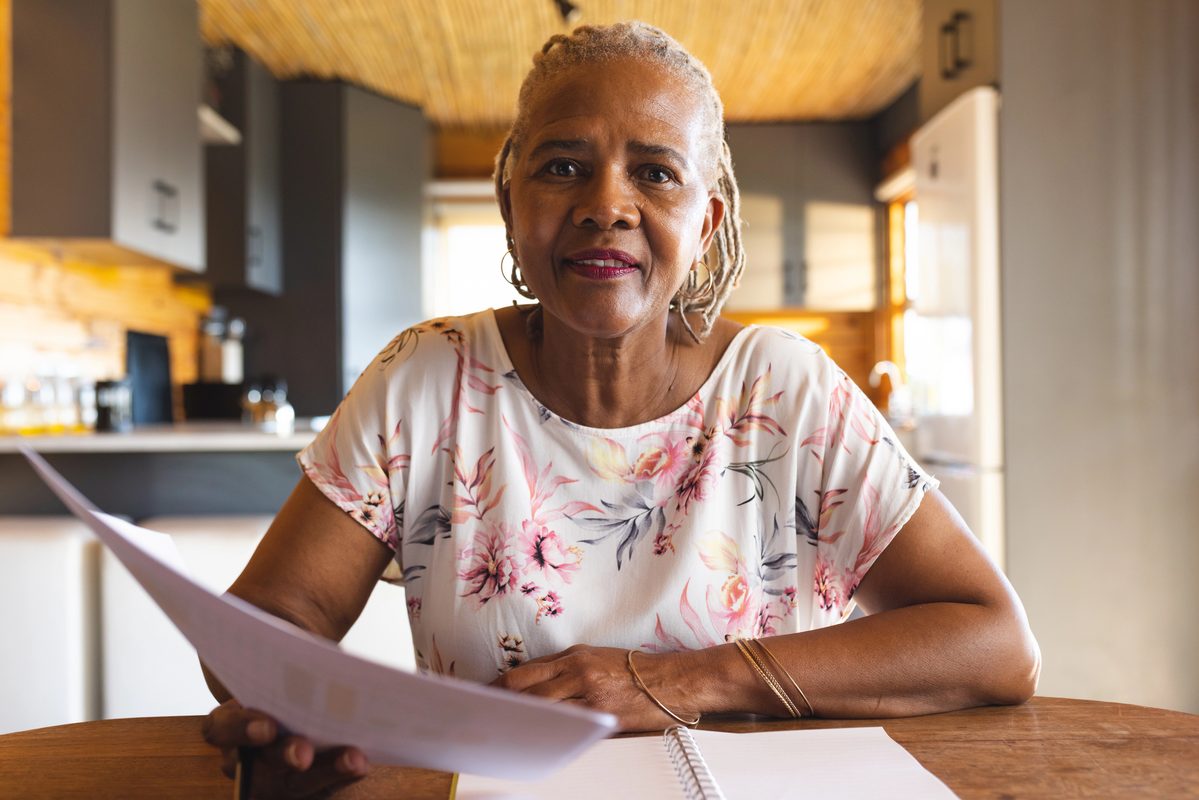
I know what it’s like to need healthcare in Ghana, and not just because I’ve researched the system, but because I’ve been sick there.
It’s one thing to know about taking safety precautions when you travel, but in spite of all your diligent efforts, you can still get sick. And no matter how careful you are, you can still sustain an injury that requires medical attention.
There have been times when I travel, no matter how careful I am about washing my hands, not eating raw fruits and vegetables, avoiding fresh fruit and salads at restaurants, drinking only bottled water, and skipping the ice in my drinks, I still get sick.
For some reason, from childhood, I have been especially susceptible to coming down with some type of gastrointestinal issue or food poisoning, complete with cramping stomach, vomiting and diarrhea. Same thing with malaria on a few occasions.
No way to spend a vacation, I can assure you!
The last time I was in Ghana, I contracted what I thought was some type of gastrointestinal infection or virus. I was really sick and was literally in bed for over a week. I couldn’t keep anything down and lost quite a bit of weight. I felt better after about ten days, but it took a while for me to regain my strength.
While I was sick, I stayed with my Ghana family, and they took care of me. They took me to a clinic, arranged for a doctor to come to see me at home, and made sure I took the medication that was prescribed. My friend insisted that I stay at their home and made sure to try to get me to eat and drink fluids.
The main concern was dehydration, which could have led to a more serious situation.
As I lay there sick and trying to do nothing more than focus on getting well, I was grateful for having my Ghana family nearby. I did not have to focus on anything else. I didn’t have to worry about anything.
Each moment reinforced the importance of having a healthcare plan for whenever or wherever you travel, especially when you travel internationally.
I cannot imagine the additional stress and worry I would have had to deal with if I had not had people I trusted nearby and some idea of what to do.
Because I slow travel and spend months at a time when I travel to Ghana, a major component of my plan is knowing someone I trust and can count on in the country.
If you don’t have the luxury of knowing someone in the country, healthcare planning becomes even more important when considering a long-term stay abroad.
Don’t assume that because you are healthy today, healthcare planning isn’t relevant.
It is.
Start With Your Own Health Needs
Before you start researching hospitals and insurance plans, start with yourself.
Ask yourself:
- Do you have ongoing medical needs?
- Do you need to see specialists regularly?
- Do you take medications regularly?
- Can you obtain those medications in Ghana?
- Will you need periodic medical care in the United States?
- What happens if your healthcare needs change?
The answers to these questions are your starting point.
And if you have an ongoing or serious medical condition, this is not something to figure out after you move. You will want to research the availability of the care you need and discuss your plans with your healthcare providers before making a major move.
Before we take a look at Ghana’s healthcare system, there is another important issue for Americans to understand.
What Happens to Your U.S. Health Insurance?
If you are a U.S. resident considering an extended stay or move to Ghana, don’t assume that your Medicare coverage will follow you.
Medicare generally does not pay for healthcare services you receive outside the United States, although there are limited exceptions. Some Medigap policies may provide coverage for certain emergency medical care outside the U.S. Your individual Medicare Advantage plan may also have its own provisions, so you should check your specific plan carefully before traveling or moving abroad.
For current information, I strongly recommend going directly to the official Medicare website and reviewing its information about healthcare coverage outside the United States.
Medicare: Travel Outside the U.S.
Do this before you travel. Don’t wait until you are sitting in a doctor’s office in Ghana trying to figure out what your U.S. insurance will and will not pay for.
Understanding the Ghanaian Healthcare System
Ghana has both public and private healthcare facilities, as well as faith-based and other healthcare providers. The system is continuing to evolve, and access to care can vary depending on where you live, the facility you choose, the type of care you need, and whether the facility is equipped and staffed to provide that care.
There are good healthcare facilities and healthcare professionals in Ghana. At the same time, you should not assume that the healthcare experience will be identical to what you are accustomed to in the United States.
For someone considering retirement or long-term living in Ghana, the question isn’t simply, “Is healthcare in Ghana good?”
A better question is:
“Can I access the healthcare I am likely to need, in the place where I plan to live?”
That’s a much more useful question.
Public Healthcare and NHIS
Ghana’s National Health Insurance Scheme, or NHIS, is designed to provide financial access to basic healthcare services through the national health insurance system. The scheme operates through accredited healthcare providers and facilities and provides coverage according to its defined benefits package.
The important thing to understand is that NHIS is not the same thing as having unlimited free healthcare.
There are covered services, medicines and treatments, and there are services and treatments that may fall outside the NHIS benefit package. You also need to use facilities and providers that participate in the scheme for covered services.
NHIS coverage is available to eligible residents, and Ghana’s health insurance law also allows a person who belongs to NHIS to belong to a private health insurance scheme as well.
That distinction is important if you are considering spending a significant amount of time in Ghana.
Private Healthcare
Ghana also has a substantial private healthcare sector, with private hospitals and clinics operating alongside public facilities.
Many foreigners and long-term residents choose private facilities for at least some of their healthcare needs.
Private care may offer greater convenience, shorter waits for some services, and access to particular doctors or facilities. But I would not assume that every private facility is automatically better than every public facility.
The facility, the location, the doctor, the specialty and the particular medical situation all matter.
And if you need specialized care, you will want to find out exactly where that care is available rather than assuming it will be available at the facility closest to your home.
Public or Private? For Me, It Would Be Both
If I were going to live in Ghana for three months or more during a year, I would seriously consider maintaining access to both NHIS and private healthcare coverage.
Not because I think one system is necessarily better than the other.
I see them as potentially complementary.
NHIS can provide access to covered services through participating providers, while private insurance may give me additional options for private facilities and services included in my particular policy.
But there is an important caveat:
I would not assume that having both means everything is covered.
Coverage depends on the particular insurance plan, the healthcare provider, the service being provided, and the terms of the policy.
That’s why I would find out exactly what each plan covers before relying on it.
For me, having more than one avenue for accessing healthcare would simply provide another layer of peace of mind.
And when you’re living thousands of miles from home, peace of mind matters.
Do You Need International Health Insurance?
It depends on how you are living abroad and what kind of protection you need.
There is a difference between travel medical insurance and international health insurance.
Travel insurance can cover certain medical emergencies that occur during a trip, along with other travel-related problems such as trip cancellation, interruption or lost luggage, depending on the policy.
International health insurance is designed for people who are living abroad for longer periods and may need ongoing healthcare while outside their home country.
If you are planning to live in Ghana for months at a time, retire there, or spend a substantial portion of the year there, international health insurance is something I would investigate carefully.
There are many policies available, and they are not all alike.
Your age can also matter. Some international health insurance policies have age eligibility requirements or different pricing structures as you get older.
For those of us over 50, and particularly those over 60, this is something to ask about before you make your plans.
Don’t wait until you are ready to leave.
What Should You Ask When Shopping for International Health Insurance?
When comparing plans, ask whether the policy covers:
- Ghana
- Your age and age-related eligibility requirements
- Pre-existing conditions
- Hospitalization
- Specialist care
- Prescription medications
- Emergency treatment
- Medical evacuation or repatriation
- Treatment outside Ghana if necessary
- Planned treatment in the United States
- The healthcare facilities and providers you are most likely to use
And don’t just look at the monthly or annual premium.
Read the exclusions.
Understand the deductible.
Find out what happens if you need specialized care.
Ask whether you have to pay upfront and seek reimbursement.
And understand what happens if you need to return to the United States for treatment.
The least expensive plan is not necessarily the plan that gives you the protection you actually need.
Your Exploratory Trip Is Your Research Trip
During your first exploratory trip to Ghana … you know … the one you should take before actually moving more permanently to Ghana, you can get an up-close-and-personal view of the Ghanaian healthcare system.
Talk with your Ghanaian hosts about their experiences. Talk to people who actually live there. Ask other foreigners and long-term residents where they go when they need medical care.
And, if possible, visit some healthcare facilities in the areas where you are considering living.
You don’t have to become an expert in the Ghanaian healthcare system.
You simply want to start understanding how healthcare works where you might actually live.
During your exploratory visit, pay attention to the healthcare options available near the neighborhoods you are considering.
Here are some things to do:
- Identify nearby hospitals and clinics.
- Locate pharmacies.
- Ask where local residents go for routine care.
- Find out where specialist care is available.
- Learn how transportation to healthcare facilities works.
- Talk with people who actually use the facilities.
- Determine how far you would have to travel for more advanced care.
- Find out which facilities accept the insurance plans you are considering.
This is one of those situations where doing a little homework while you are visiting can save you a great deal of worry later.
Location Matters More Than You Think
How close I am to the healthcare facilities I want to use is a crucial factor in where I choose to live when I am in Ghana.
When I am in Ghana, I live in the Greater Accra Region, close to everything.
Most healthcare facilities are concentrated in urban areas, although healthcare services are available throughout the country. Ghana’s health system includes facilities ranging from community-based services to regional and teaching hospitals, with more specialized services generally concentrated in larger centers.
For someone considering long-term living, some of the places you might research include:
- Accra
- Tema
- Kumasi
- Cape Coast
- Other communities within reasonable reach of major healthcare facilities
And don’t overlook transportation.
If you don’t drive, how will you get to the hospital?
If you live outside a major city, how long will it take to reach the kind of medical care you might need?
These questions may not seem important when you’re healthy and happily exploring Ghana.
They become very important when you’re sick.
To learn more about choosing where to live in Ghana, you may find my article Where Should You Live in Ghana? My Favorite Areas for Women Over 50 helpful.
Your Healthcare Planning Checklist
Before moving to Ghana, or deciding to spend significant amounts of time there, know the answers to these questions:
☐ What healthcare facilities are near where I plan to live?
☐ Where will I go for routine care?
☐ Where will I go in an emergency?
☐ Can I access the specialists I need?
☐ What medications will I need?
☐ Can I obtain those medications in Ghana?
☐ How will I pay for healthcare?
☐ What happens to my U.S. insurance?
☐ Do I need international health insurance?
☐ What does my policy actually exclude?
☐ What happens if I need treatment outside Ghana?
☐ How will I get to a hospital if I cannot drive myself?
My Final Thoughts
Healthcare may not be the most exciting thing to research when you’re dreaming about living in Ghana.
You’re probably thinking about the food.
The people.
The sunshine.
The beaches.
The markets.
The possibility of waking up somewhere completely different and living a life that feels a little more adventurous.
I understand.
But healthcare is one of those things you don’t want to think about until you need it.
And when you need it, you want to know what you’re doing.
I learned that firsthand when I was sick in Ghana.
I was fortunate.
I had people I trusted around me. I knew where to go. I was able to get medical attention. And I had people who made sure I ate, drank fluids and took care of myself when I was too sick to do much of anything.
That experience reminded me that moving abroad isn’t just about deciding where you want to live.
It’s about thinking through how you will live there.
Including how you will take care of yourself when life doesn’t go according to plan.
So do your homework.
Ask questions.
Talk to people who actually live there.
Visit the healthcare facilities.
Understand your insurance.
And most importantly, don’t assume that being healthy today means you don’t need a healthcare plan for tomorrow.
If you’re considering moving to Ghana, don’t forget to read my complete guide:
Moving to Ghana After 50: A Complete Guide for Women
And if you enjoy reflections and practical articles like this, you’re welcome to join me.
I share thoughtful notes on writing, travel, and living fully — by email and at a pace that allows us to breathe.