
The Cost of Living in Ghana: What Women Over 50 Should Know
This article contains affiliate links. As an Amazon Associate, I may earn a small commission from qualifying purchases at no extra cost to you. These commissions help support my work and allow me to continue creating thoughtful travel and lifestyle content. Thank you for your support.
One of the most common questions I hear from women considering a move to Ghana is:
“How much does it cost to live there?”
It’s a reasonable question, but it’s also one of the hardest to answer with a single number.
The truth is that the cost of living in Ghana depends on your lifestyle, where you choose to live, and how closely your daily habits resemble those of local residents or international expats.
If you’re still in the early stages of exploring life in Ghana, you may enjoy my article, Moving to Ghana After 50: A Complete Guide for Women, where I discuss many of the practical and cultural considerations involved in making the move.
Rather than giving you one definitive figure, I think it’s more helpful to understand the major categories of expenses you’re likely to encounter and the factors that influence them.
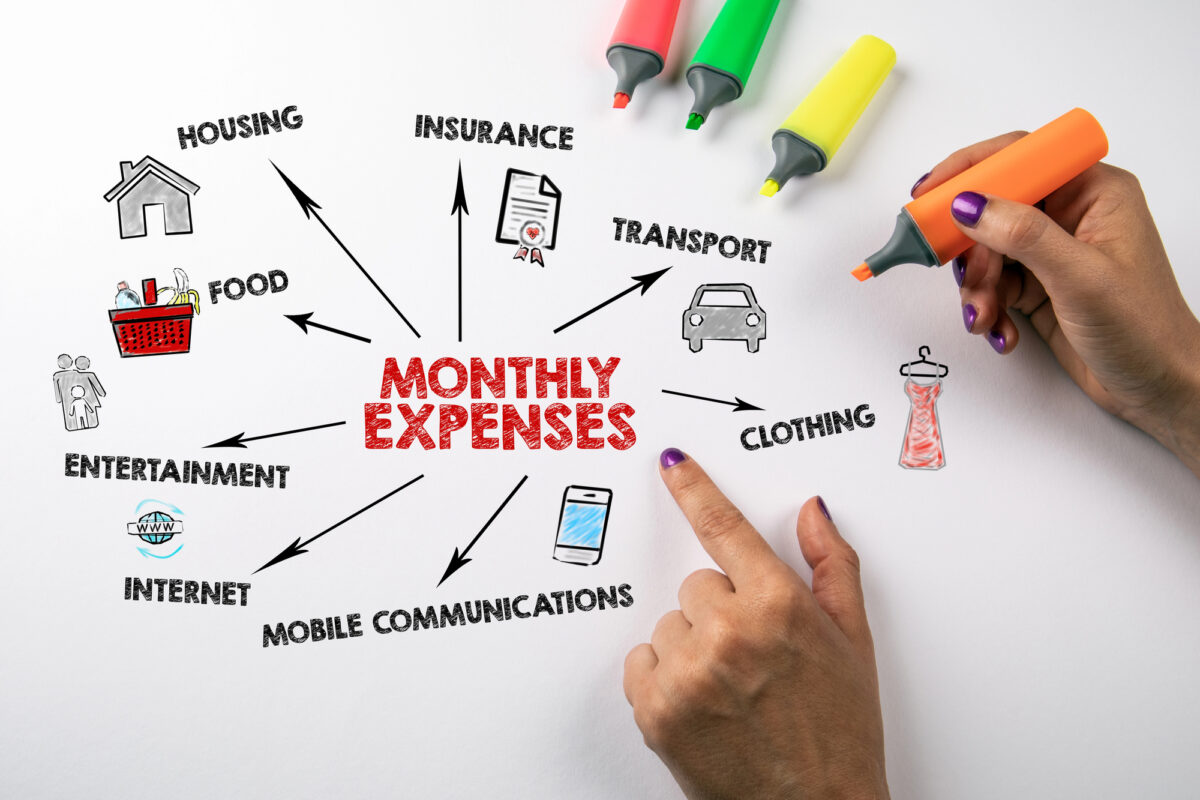
Typical Living Costs in Ghana (2026)
Whenever people ask me about the cost of living in Ghana, they’re usually hoping for a simple number.
Unfortunately, there isn’t one.
But these broad estimates can give you a starting point.
A Note About Costs: Prices in Ghana can change over time due to inflation, exchange rates, and local market conditions. The ranges below are intended as general estimates only. I recommend checking reputable resources such as Numbeo, Expatistan, and Global Cost of Living Data, which regularly update cost-of-living data for Ghana and cities around the world.
- Housing: Approximately $300–$2,000+ per month
- Utilities (electricity and water): Approximately $25–$150+ per month
- Internet and Mobile Service: Approximately $10–$60+ per month
- Transportation: Approximately $30–$300+ per month
- Food and Groceries: Approximately $150–$600+ per month
- Healthcare and Insurance: Varies widely depending on coverage and personal circumstances
These ranges are intentionally broad because the difference between living like a local and living like an expat can significantly affect your monthly expenses.
Now let’s look at the factors that influence those costs.
Housing: Your Biggest Expense
For most people, housing will be the largest part of their monthly budget.
One recommendation I often make is simple:
Rent before you buy.
Spending time in a neighborhood allows you to understand the area, transportation options, amenities, and daily lifestyle before making any long-term commitments.
Housing costs vary significantly depending on:
- Whether you choose an expat-oriented neighborhood or a more local area
- The size of the property
- Furnished versus unfurnished accommodations
- Proximity to shopping, healthcare, and transportation
One thing I learned fairly quickly is that two apartments that look similar on paper can produce very different living experiences.
A less expensive neighborhood may seem like a bargain until you discover you’re spending more time and money commuting everywhere.
In my experience, where you choose to live often has a greater impact on your overall budget than almost any other expense category.
Utilities: Electricity and Water
Electricity costs depend largely on usage, air conditioning, and the size of your home.
One aspect of Ghana’s utility system that I found fascinating was the prepaid electricity meter.
Coming from the United States, I was accustomed to receiving a monthly bill and paying whatever amount appeared.
In Ghana, many households purchase electricity credits as needed. When your balance gets low, you simply buy additional credit and load it onto your meter.
I actually came to appreciate this system. It gave me a clearer sense of how much electricity I was using and allowed me to manage costs more intentionally.
Water costs are generally more modest but vary depending on the property and how services are structured.
At one apartment where I lived, the water bill was divided among several tenants based on the number of people occupying each unit. Other properties may include water in the rent or handle billing differently.
Transportation: Many Options, Many Price Points
Transportation costs can vary dramatically depending on how you choose to get around.
Most Ghanaians rely on tro tros, the shared minibuses that transport thousands of people around cities and towns every day.
I have ridden them a few times myself and was glad for the experience. But if I’m being honest, they never became my preferred mode of transportation.
At this stage of my life, I value convenience and comfort, so I found myself using Bolt (something like Uber), taxis, or private drivers more often.
One reason I liked using Bolt was that I could see the estimated fare before beginning a trip. It removed some of the guesswork and made budgeting easier.
Hiring a private driver offers the greatest convenience but is usually the most expensive option.
As with many aspects of life in Ghana, your transportation budget will depend largely on your personal preferences and lifestyle.
Food: Perhaps the Most Flexible Part of Your Budget
Food expenses can range from very affordable to surprisingly expensive.
Much depends on where and how you choose to eat.
One thing that consistently surprised me was how quickly grocery costs could climb when I filled my cart with imported foods.
I’d leave the store wondering:
“How did I spend that much?”
Many larger supermarkets carry imported products from Europe and North America, North Africa, South Africa and more, and those items often come with significantly higher price tags.
Local markets, on the other hand, frequently offer fresh fruits, vegetables, grains, and other ingredients at much more affordable prices.
I learned that shopping more like a local not only helped my budget but also introduced me to foods and flavors I might otherwise have overlooked. I got used to shopping in markets.
The same principle applies to eating out.
Local restaurants often serve generous portions of delicious Ghanaian meals at reasonable prices, while international restaurants and upscale establishments typically cost a lot more.
I tend to gravitate toward local restaurants that have been recommended by local residents that I know. That’s often where I’ve found some of my most enjoyable meals.
Internet and Mobile Service
Internet and mobile service are essential for most of us, whether we’re working remotely, staying connected with family, or simply managing daily life.
One option I found particularly useful was carrying a personal mobile Wi-Fi device and purchasing data as needed.
I appreciated the flexibility, and the security of knowing that I could stay connected whenever I needed to be.
Like many services in Ghana, mobile plans often allow you to pay as you go rather than locking yourself into expensive long-term contracts.
For many visitors and expats, internet and mobile service are among the more predictable monthly expenses.
Healthcare and Insurance
Healthcare is another area where planning ahead is very important.
While healthcare costs in Ghana may be lower than in some Western countries, I strongly recommend researching health insurance options before making an extended stay or relocation.
The right insurance plan can provide peace of mind and help protect you from unexpected medical expenses.
Because needs vary significantly from person to person, it’s worth comparing providers and coverage options carefully before making a decision.
Other Expenses to Consider
Beyond the major categories, you may also encounter expenses related to:
- Household help
- Entertainment
- Domestic travel
- Visa and residency requirements
- Personal hobbies and activities
- Clothing and household items
These costs vary widely depending on your lifestyle and personal choices. I love traveling around Ghana, and so I happily spend a lot in this category, but it is so worth it to me.
My Final Thoughts on the Cost of Living in Ghana
So, whenever someone asks me, “How much does it cost to live in Ghana?” I usually smile because I know they’re hoping for a simple answer.
The truth is that the answer depends less on Ghana, and more on the life you want to create once you arrive.
Your housing choices, transportation preferences, eating habits, and lifestyle expectations will influence your expenses far more than any national average.
That’s why I encourage women to spend time in Ghana before making long-term decisions.
Experience the neighborhoods.
Shop in the markets.
Use the transportation systems.
Observe your own spending habits.
The more you understand your preferred lifestyle, the easier it becomes to estimate what living in Ghana may actually cost you.
If you’re researching the practical realities of life in Ghana, you may also find my book, Moving to Ghana: The Essential Things You Need to Know, helpful. The book was originally published in 2018, so some details have naturally changed over time. However, many of the cultural insights and foundational considerations remain relevant for anyone considering an extended stay or relocation.
Because when it comes to living in Ghana, understanding the numbers is important.
But understanding the lifestyle is even more important.
If you enjoy reflections and articles like this, you’re welcome to join me.
I share thoughtful notes on writing, travel, and living fully – by email and at a pace that allows us to breathe.