
How I Stay Comfortable on 10+ Hour Flights (Even in Economy)
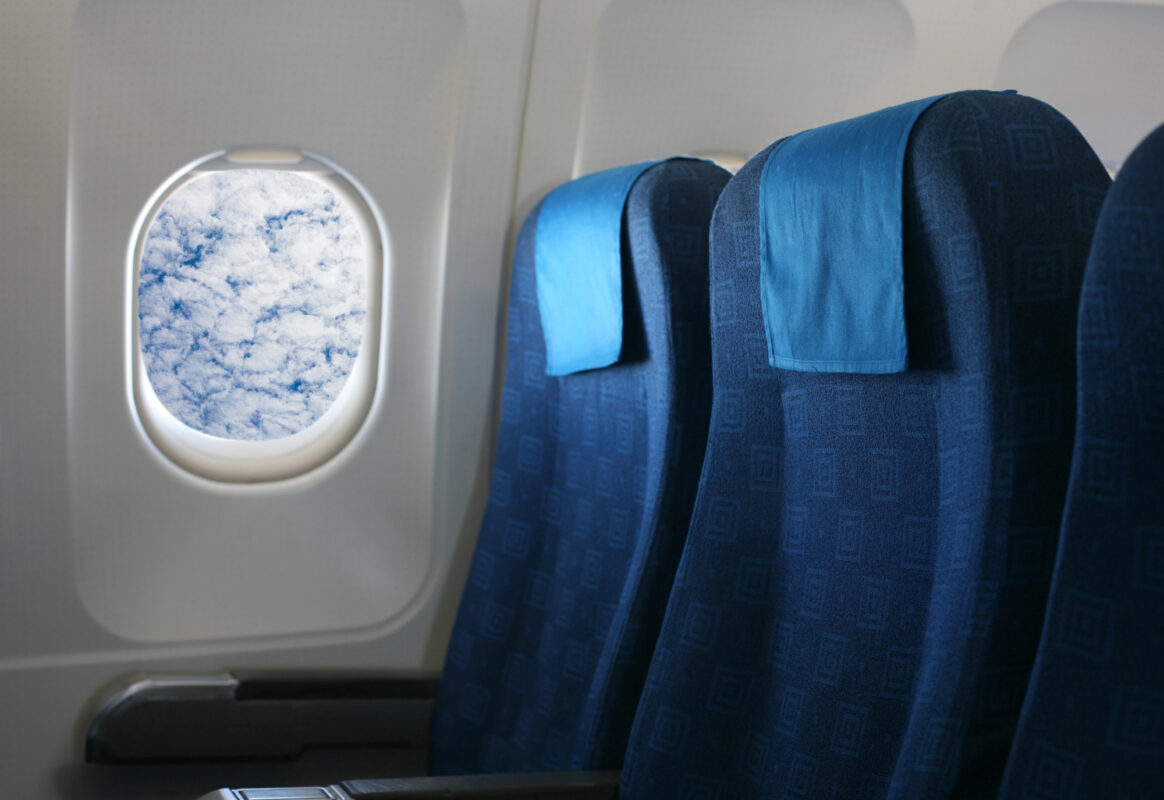
Long flights are nothing new to me.
In fact, I’ve been traveling long distances for most of my life. From an early age, I was flying back and forth between continents, between the United States, Canada, Nigeria, and later Ghana. Travel has always been part of my story.
But here’s what I’ve learned over time:
Long flights feel very different as you get older.
When you’re younger, you can sit for hours without thinking much about comfort. Your body adjusts easily. You may not notice the little aches, stiffness, or dryness that can come with sitting in one place for ten hours or more.
But at this stage in my life, what I like to call my Bold Sage stage, I pay much closer attention to how my body feels.
Because these days, comfort matters more than ever.
I still travel long distances regularly, often spending ten hours or more in the air. Over the years, I’ve learned that staying comfortable on long flights isn’t about luck.
It’s about preparation.
It’s about knowing what works for your body and making thoughtful choices before you even step onto the plane.
Some of the habits I use today came from trial and error. Others came from lessons learned the hard way, like the time I forgot my compression socks and spent an entire flight worrying about my legs.
Little by little, I developed routines that help me stay comfortable, calm, and prepared for long-haul travel.
And the good news is this:
Most of these strategies are simple.
You don’t need luxury seats or expensive upgrades to stay comfortable on long flights. Even when flying economy, small adjustments can make a big difference in how you feel when you arrive at your destination.
In this article, I’m sharing the habits and comfort essentials that help me get through 10+ hour flights feeling far better than I used to.
Because a long flight isn’t just transportation.
It’s the beginning of the journey.
And how you feel when you arrive matters more than you might think.
Comfort Starts With What I Wear
Forget fashion, dress for comfort.
These days, I choose loose-fitting clothing whenever I travel. Tight clothes, especially around the waist, are simply not worth the discomfort during long hours of sitting.
I’ve always preferred loose clothing, but as I’ve gotten older, it has become even more important.
I also make sure to bring a sweater. Always.
Planes can be surprisingly cold, and I am almost convinced they turn down the temperature on purpose. Sitting in a cold cabin for ten hours is not something I’m willing to endure without preparation.
So a warm sweater is non-negotiable for me.
Shoes matter just as much.
I always wear comfortable sneakers when I travel. Not stylish shoes, not fancy shoes, just comfortable shoes.
I like my feet fully covered, especially when:
- Walking through airports
- Moving around the plane
- Rushing to catch a connecting flight
And believe me, I have rushed through an airport more than once.
And yes, I always wear socks.
These days, those socks are usually compression socks, which have become one of my most important comfort essentials.
Compression Socks Changed Everything for Me
There was one long flight I will never forget.
Not because of turbulence or delays, but because I forgot my compression socks.
That entire flight, I kept thinking to myself:
Oh my goodness… what if my legs swell? What if I develop a blood clot?
I found myself doing little foot exercises in my seat and getting up to walk around more often than usual, simply because I felt uneasy without them.
That experience stayed with me.
Now, I never travel on long flights without compression socks.
For me, they make a noticeable difference. When I wear them, my legs feel more supported and less tired.
There’s almost a gentle, comforting pressure that feels like a soft massage throughout the flight.
Put them on before leaving for the airport.
Trying to put on compression socks inside an airplane seat is not easy. There’s hardly enough room, and removing shoes mid-flight can feel awkward.
Putting them on at home makes everything simpler.
Another important tip is to make sure the socks fit properly.
Compression socks should feel:
- Snug
- Supportive
- Comfortable
- Not painfully tight
I always try mine on before traveling, just to make sure they feel right.
Sometimes I fold them slightly at the top if they feel too high on my leg.
The goal is comfort, not pressure.
All I know is that:
My legs feel far more comfortable with compression socks than without them.
And after that one flight when I forgot them, I never take that chance again.
Staying Warm and Comfortable in a Cold Cabin
If you’ve flown long-haul even once, you already know that airplane cabins can get cold. Very cold.
Not just a little chilly, but wrap-yourself-up-and-don’t-let-go cold, especially halfway through the flight when the lights are dimmed and everyone is trying to sleep.
Over time, I learned not to rely on whatever blanket the airline may, or may not, provide.
These days, I come prepared.
I always carry both a sweater and a shawl.
Yes, both.
The sweater keeps my core warm when the cabin temperature drops. But the shawl? That’s my secret weapon.
A good shawl is wonderfully versatile. I can:
- Wrap it around my shoulders
- Drape it across my lap
- Tuck it around my neck
- Roll it into a makeshift pillow
On especially cold flights, it becomes my personal cocoon – lightweight, familiar, and dependable.
There’s also something comforting about having layers that belong to me. Airline blankets are helpful when available, but there’s a different level of comfort that comes from wrapping yourself in something you chose and packed with intention.
Another change that made a surprisingly big difference in my comfort is my seat choice.
These days, I almost always choose an aisle seat instead of a window seat.
For years, I loved window seats. I enjoyed watching the clouds drift by and leaning against the side of the aircraft.
But as time went on, and as long flights became more frequent, I realized that comfort on long-haul journeys isn’t just about the view.
It’s about flexibility.
An aisle seat allows me to:
- Stand when I need to
- Stretch more easily
- Walk around without climbing over anyone
- Move freely when my body needs it
That freedom makes a real difference on flights lasting ten hours or more.
When you combine:
- Warm layers
- Smart seat choices
- The freedom to move
…the difference in overall comfort is noticeable.
And after all, comfort on a long flight isn’t just about getting through the hours.
It’s about arriving at your destination feeling as comfortable, and as ready as possible, for whatever adventure awaits.
Staying Hydrated in Dry Cabin Air
One thing many people don’t think about before a long flight is how dry the air inside the cabin can be.
Cold and dry is not the most comfortable combination.
Over the years, I noticed that when I didn’t stay properly hydrated, I would start coughing or feel dryness in my throat. And trust me, there is nothing more uncomfortable than coughing repeatedly on a long flight while people around you start giving you suspicious looks.
That alone was enough motivation for me to take hydration seriously.
These days, I always travel with a refillable insulated water bottle with a secure twist-on lid.
I fill it once I get through airport security, and if needed, I refill it again before boarding. Having my own bottle means I don’t have to rely only on the small cups of water handed out during beverage service.
I’ve also learned that what I don’t drink matters just as much as what I do drink.
Before long flights, I try to limit:
- Coffee
- Caffeinated drinks
- Carbonated beverages
- Alcohol
All of these can make dehydration worse or make me feel uncomfortable during the flight.
Water works best for me.
Sometimes I’ll have juice, but not too much because of the sugar. And occasionally tomato juice, but that tends to make me thirsty again, so water remains my first choice.
Dry cabin air doesn’t just affect your throat. It can also affect your eyes.
Since I wear contact lenses, I’ve learned to make adjustments. These days, I often travel wearing my glasses instead of contacts. The cabin air can make my eyes feel dry, and glasses are simply more comfortable during long flights.
I also carry plain eye drops to help keep my eyes moist when needed.
Another small comfort item I never forget is cough drops or hard candy.
Even when I’m drinking water, the dry air can sometimes irritate my throat. Having something to suck on helps reduce coughing and keeps my throat more comfortable.
These may seem like small details, but together they make a noticeable difference.
Because staying hydrated on a long flight isn’t just about drinking water.
It’s about protecting your comfort, from your throat to your eyes, and making the long hours in the air easier to manage.
My Personal Comfort Kit (Small Things That Make a Big Difference)
Over the years, I’ve learned that comfort on a long flight isn’t just about what you wear or where you sit.
It’s also about what you keep within reach.
These days, I always travel with a personal bag that fits neatly under the seat in front of me. That bag holds my comfort essentials – the small items that make a surprisingly big difference during a long flight.
I like knowing that everything I need is right there, within arm’s reach.
I don’t want to keep standing up and reaching into the overhead bin every time I need something simple. On a long flight, convenience matters just as much as comfort.
Inside my under-seat bag, I keep what I think of as my personal comfort kit.
Here are some of the essentials I never travel without:
- Cough drops or hard candy – Helps soothe my throat and prevent coughing fits.
- Lip balm – Dry air can be hard on your lips.
- Moisturizer or hand lotion – Helps prevent dry, tight skin.
- Eye drops – Especially helpful when the cabin air feels extra dry.
- Hand sanitizer – Gives me peace of mind when traveling through busy airports.
- A cotton handkerchief – Simple, reusable, and surprisingly useful.
- Pain medicine – I keep this handy in case my back begins to act up.
- Eyeglass cleaner – A small item, but very helpful.
- My Kindle or reading device – I never travel without something to read.
- A crossword puzzle book – Helps pass the time when I can’t sleep.
Each of these items serves a simple purpose, but together, they create a sense of comfort and control during long flights.
There was a time when I carried fewer things and hoped for the best. But experience has taught me that being prepared makes the journey smoother.
Now, before every long flight, I take a few minutes to check that my comfort kit is stocked and ready.
Because when everything I need is within reach, I can relax, settle into my seat, and focus on the journey ahead without unnecessary interruptions.
Movement Matters More Than You Think
One of the biggest lessons I’ve learned over the years is this:
Your body will tell you what it needs, if you pay attention.
These days, I don’t wait for stiffness or discomfort to build before I move. I listen to the messages my body gives me. When it tells me to get up and move, I get up and move.
Simple as that.
Long flights require a lot of sitting, and sitting still for ten hours or more is not something the human body enjoys.
That’s why movement has become one of my most important comfort habits.
I don’t follow a strict schedule, and I don’t watch the clock.
Instead, I move when my body tells me it’s time.
Sometimes that means:
- Standing beside my seat
- Stretching my legs gently
- Walking slowly up and down the aisle
- Extending my legs into the aisle when it’s safe
These small movements help keep my body from feeling stiff and tired.
They also help with circulation, which is something that becomes more important on long flights, especially as we get older.
That’s one of the reasons I now prefer aisle seats.
Like I mentioned earlier, in the past, I loved window seats. I enjoyed having that quiet corner and something to lean against.
But over time, I realized that being able to get up easily mattered more than having a view of the clouds.
An aisle seat allows me to move freely without worrying about disturbing someone else.
If my body says, It’s time to move, I can move.
That freedom makes a real difference on long flights.
Movement also works hand-in-hand with wearing compression socks. Together, gentle movement and proper leg support help my legs feel less tired by the time the flight is over.
And honestly, sometimes getting up and walking around helps your mind too.
After sitting for hours, even a short walk down the aisle can feel refreshing. It breaks up the monotony and helps pass the time.
These days, I don’t ignore discomfort.
I listen.
Because staying comfortable on a long flight isn’t about being perfectly still.
It’s about staying aware and responding when your body needs movement.
Things I No Longer Do on Long Flights
Over the years, I’ve learned that staying comfortable on long flights isn’t just about what I do.
It’s also about what I no longer do.
Some habits that once seemed harmless were actually making long flights harder than they needed to be.
Little by little, experience taught me what to keep, and what to let go.
Here are a few things I no longer do.
I No Longer Rush to the Airport
These days, I give myself plenty of time.
Rushing creates stress, and stress is the last thing I want before settling into a ten-hour flight.
When I arrive early, everything feels calmer. I can move at my own pace, find my gate without panic, and refill my water bottle before boarding.
Starting the journey calmly makes the entire flight feel easier.
I No Longer Carry a Neck Pillow
For years, I carried a neck pillow everywhere.
Eventually, I realized it had become just one more bulky item to manage.
Now, I use the pillow provided on the plane, but not for my neck.
Instead, I place it behind my lower back, where I need support the most.
Less bulk. Better support.
That works for me.
I No Longer Watch the Flight Time Constantly
There was a time when I checked the flight progress screen over and over again.
But constantly watching the clock makes the flight feel longer.
Now, I focus on reading, puzzles, or resting, and somehow, the flight seems to pass more quickly.
I No Longer Recline My Seat Too Far
Reclining too far sometimes makes my lower back feel worse. I also don’t want to disturb the person seated behind me.
These days, I sit more upright with proper support.
Comfort doesn’t always mean leaning back.
Sometimes, it means sitting just right.
I No Longer Drink Coffee on the Plane
This one is probably the hardest.
Because I truly love coffee.
I love the aroma and the comfort of a warm cup, especially with a morning meal.
But over time, I noticed that drinking coffee during long flights didn’t always agree with me.
So now, I usually skip it.
And yes, it still takes discipline.
But staying comfortable matters more than satisfying a short-lived craving.
Comfort Is No Longer a Luxury for Me
There was a time when I thought comfort on flights was optional.
Something extra.
Something to consider only if the price was right.
But over the years, and especially at this stage of my life, I’ve come to see things differently.
Comfort is no longer a luxury for me. It’s a necessity.
If I can afford to upgrade my seat for more space, I do it.
Not to be fancy, but to arrive feeling rested and comfortable.
Because I’ve learned something important:
The flight itself is part of the journey.
How you feel when you arrive matters just as much as what you plan to do once you get there.
So now, when I have the option, I choose comfort.
Not as an indulgence.
As an investment.
Because comfort supports the entire travel experience.
Comfort Makes the Journey Better
After a long flight, there is always one moment I look forward to.
That moment when the plane lands, the doors open, and the journey shifts from travel to arrival.
For me, one of the greatest joys is stepping outside the airport and seeing familiar faces waiting to greet me.
But if I had to name one simple pleasure that makes the journey feel complete, it would be this:
A nice, hot shower.
After hours of sitting in dry cabin air, bundled in layers and stretching when needed, that first hot shower feels like a reward.
It signals the end of the flight and the beginning of everything that comes next.
That’s why I take comfort seriously before I even step onto the plane.
Because a long flight is not just transportation.
It’s the beginning of the journey.
And how you feel when you arrive matters more than you might think.
Not perfection.
Not luxury.
Just thoughtful preparation that helps you arrive ready for whatever adventure awaits.
You May Also Find Helpful
Why Foot Health Matters When You Travel (Especially in West Africa)