
Book Recommendation: Your Guide to Safer Travel
This article contains affiliate links. As an Amazon Associate, I may earn a small commission from qualifying purchases at no extra cost to you. These commissions help support my work and allow me to continue creating thoughtful travel and lifestyle content. Thank you for your support.
Traveling is one of life’s great joys, but to be honest, it does come with risks.
Not necessarily dangers around every corner, but situations that require awareness, preparation, and good judgment. And in today’s world, many travelers are thinking more seriously about safety than ever before.
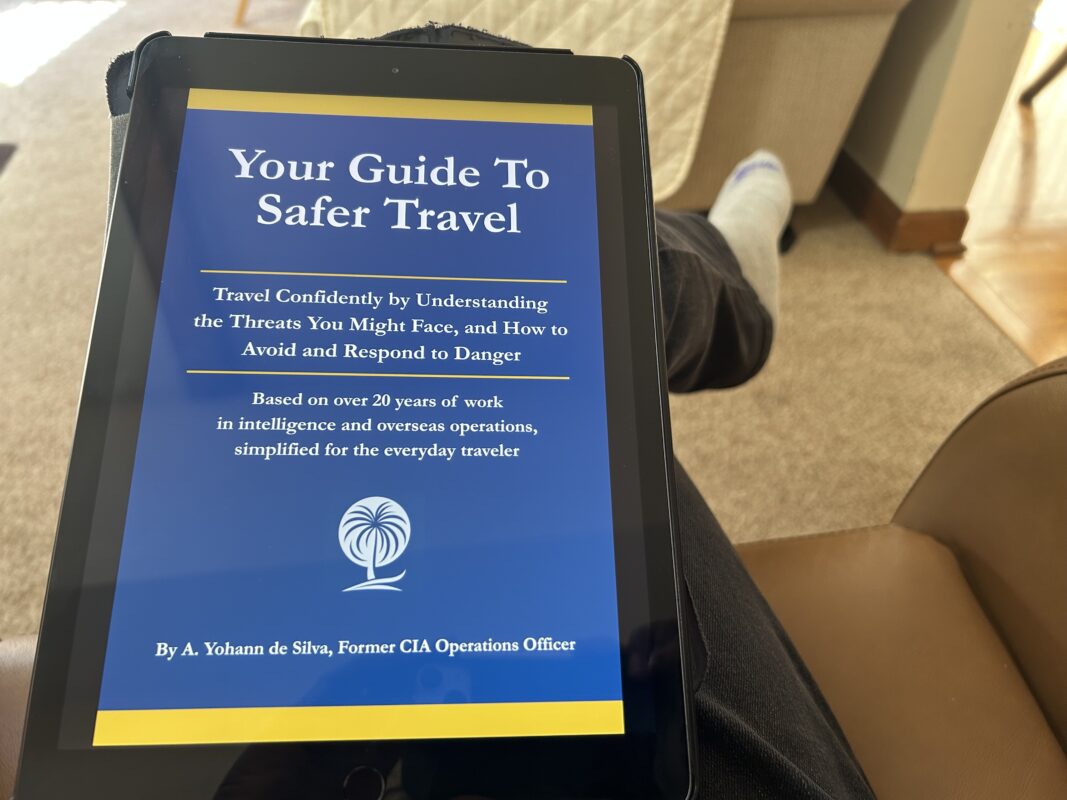
That’s why I recently read Your Guide to Safer Travel: Travel Confidently by Understanding the Threats You Might Face, and How to Avoid and Respond to Danger, written by A. Yohann de Silva.
This guide is based on the author’s more than 20 years of work in intelligence and overseas operations and is simplified for everyday travelers like you and me.
And by the way, this guide feels more serious in tone than many travel books I’ve read.
But in some ways, that’s exactly what makes it stand out.
About the Author
A. Yohann de Silva, is a former CIA operations officer with more than two decades of experience working both in the United States and internationally.
His background includes extensive training in personal security not only for himself, but also for colleagues and others working in overseas environments.
Right at the beginning of the book, there is a disclaimer stating that the opinions expressed are his own and do not represent official U.S. government views. I appreciated knowing that, given that the cover of the book looks quite official.
But considering his background, you can understand why.
What This Guide Covers
This is another short but information-packed guide. At 46 pages, it’s a quick but meaningful read.
The focus of this book is on personal security awareness, especially for travelers visiting low- to medium-risk destinations rather than active conflict zones.
Some of the topics discussed include:
- Hotel selection and room safety
- Transportation awareness
- Crowded places and tourist areas
- Airline travel considerations
- Luggage and identification risks
- Social media safety while traveling
- Recognizing vulnerabilities travelers may overlook
What stood out to me is how the author presents realistic scenarios, not to frighten travelers, but to help them recognize situations where they could unknowingly become vulnerable.
What I Liked About This Guide
The book is short, but it is packed with useful information.
And in today’s busy world, sometimes that’s exactly what we need: a quick read that delivers valuable insights without requiring hours and hours of time.
Another thing I appreciated is that the author highlights situations that many typical travelers, myself included, don’t always think about.
For example:
- How the type of hotel you choose could affect your safety
- Where your room is located within the hotel
- Risks associated with crowded places and tourist-heavy locations
- Even how clothing or logos displayed on clothing could draw attention in ways you may not expect
- That last one really made me think, especially the part about the logos.
The Insight That Confirmed My Instincts
This one really resonated with me: hotel selection.
Over the years, I’ve often chosen to stay in well-rated 3- or 4-star hotels that are commonly used by local travelers, rather than automatically selecting large international luxury hotels.
Reading this book confirmed something I had sensed but never fully articulated.
The author explains that in some destinations, high-profile international hotels, especially those frequented by expatriates, foreign officials, or large numbers of international visitors, can sometimes attract unwanted attention or become potential targets.
That doesn’t mean travelers should avoid these hotels altogether. But it does suggest that thoughtful hotel selection matters, and that sometimes blending in with local patterns can be a wise strategy.
For me, this reinforced my habit of choosing comfortable, reputable hotels used by locals, rather than assuming that the most expensive or internationally branded option is always the safest.
It was reassuring to see my instincts supported by someone with professional security experience.
My Personal Takeaway
One idea from this book that really stayed with me was the concept that predictability is not always an asset.
Sometimes, unpredictability can actually increase your safety.
The author explains that predictable routines, especially while traveling, can make travelers easier to observe or target. That insight made me rethink some of my own habits.
For example, I used to visit the same ATM locations out of convenience. After reading this guide, I became more intentional about varying the ATM locations I use rather than relying on the same one repeatedly.
I also enjoy walking around neighborhoods when I travel. It’s one of my favorite ways to explore and get a feel for a place. But now, I make a conscious effort to vary my walking routes and the times I go out, instead of following the same patterns day after day.
These are small changes, but they can make a meaningful difference.
It’s not about living in fear.
It’s about being aware and making thoughtful adjustments that help you travel more safely.
Who This Guide Is Best For
I would recommend this guide for:
- Travelers who want to better understand safety risks
- Solo travelers
- Group travelers
- Business travelers
- Leisure travelers
- Students studying abroad
- Anyone who wants to travel more confidently and thoughtfully
Even experienced travelers may discover vulnerabilities they had never considered before.
I certainly did.
My Final Thoughts
Travel does come with risks – from delays and illness to theft or unexpected situations. But that hasn’t stopped people from traveling, and it likely never will.
The key is not fear.
The key is awareness.
While the tone of this guide is more serious than many travel books, I did not find it alarming or fear-based. Instead, I found it informative and thought-provoking. It provides the kind of information that helps you travel with greater awareness, not anxiety.
And in uncertain times, that kind of preparation can make all the difference.
Book Recommendation: A Guide to Travel Safety & Security for Solo Female Travelers
Are you a woman who wants to travel somewhere but hesitate because there’s no one to travel with you, or because you’re afraid to travel on your own?
If that sounds familiar, then this guide may be just what you need.
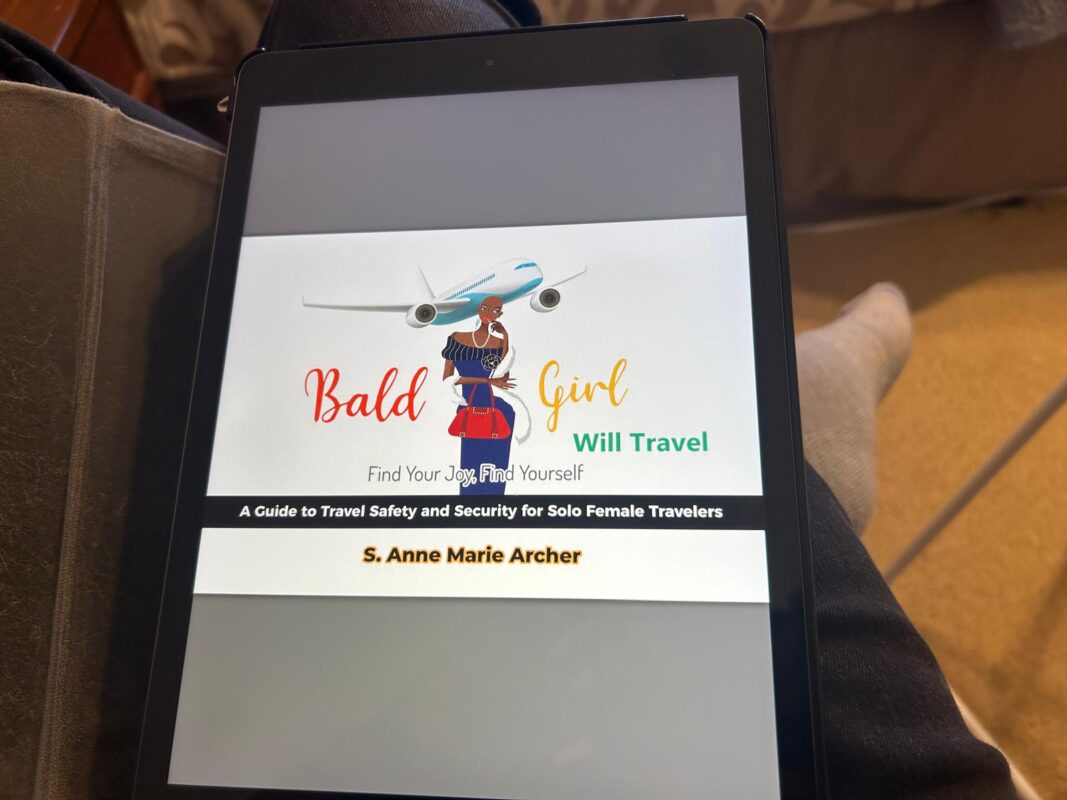
Recently, I read a very practical and visually appealing travel safety guide titled, A Guide to Travel Safety and Security for Solo Female Travelers written by S. Anne Marie Archer.
Although this guide was written specifically with Black women and women of color in mind, the information is certainly not exclusive to them. Women of all backgrounds can benefit from the valuable safety insights shared in this guide.
About the Author
Anne Marie Archer is an experienced traveler who has visited more than 40 countries. In addition to traveling extensively, she curates group travel experiences for women and has professional experience in the international development sector, where she was responsible for the safety of employees working in different parts of the world.
In other words, she knows what she is talking about.
Throughout the guide, she encourages women to:
Travel safely. Travel smart. But most importantly, travel joyfully.
That message alone resonated with me.
What This Guide Covers
This downloadable guide is concise and easy to read – about 41 pages in total – and includes:
- An introduction and conclusion
- 10 short chapters
- Practical travel safety strategies
- Numerous links to helpful resources
- Tips for planning safer travel experiences
The guide is sold as a downloadable PDF, and there is no print version currently available.
What I Liked About This Guide
One of the first things that caught my attention was the design.
The front cover is visually striking, featuring a fashionable bald-headed woman with an airplane flying above her. It’s colorful, modern, and inviting. Honestly, the design alone made me want to start reading.
Inside, the layout is equally appealing. The pages are colorful, easy to follow, and not overloaded with text. Photographs and visual elements support the content, making it a pleasant and engaging read.
And I appreciate that.
Because when something looks inviting, you’re more likely to read it.
But beyond the visuals, the real value lies in the practicality of the information. The author presents useful, straightforward advice that travelers can actually apply.
What I Personally Learned
Now, I travel quite a bit, so much of the information shared in this guide was already familiar to me.
However, and this is important, I still learned something new.
The section on ride-sharing safety stood out to me the most.
In recent years, I have started using ride-sharing services more frequently, particularly in places like Ghana, where services such as Bolt are commonly used. After reading this guide, I realized there were a few safety practices I had overlooked and honestly, that made me pause.
For example, one important reminder was not to tell the driver your name first. Instead, the safer practice is to ask the driver who they are picking up, confirm that they say your name, and then verify the license plate before getting into the vehicle.
Well… here’s my confession.
I had been doing the exact opposite.
I would mention the driver’s name first and wait for him to confirm it. Arghh! The totally wrong thing to do.
I also realized that I wasn’t consistently checking the driver’s reviews before getting into the vehicle which is something that now seems so obvious.
Thankfully, nothing bad ever happened, but reading this section reminded me that even experienced travelers can benefit from refreshing their safety knowledge and correcting small habits that could make a big difference.
I also appreciated the discussion about selecting hotels, including what questions to ask and what factors to consider when choosing both the location and the type of accommodation.
These are practical reminders that matter.
Who This Guide Is Best For
I would especially recommend this guide for:
- Women considering solo travel
- First-time international travelers
- Women who feel hesitant about traveling alone
- Travelers who want a quick-reference safety guide
- Anyone who wants practical reminders about travel safety
Even seasoned travelers may find helpful reminders inside.
Where to Get the Guide
This guide is available as a downloadable PDF and can be purchased directly from the author’s website. I did not see it listed on Amazon at the time I purchased it.
I will include the link below so you can explore it further if you’re interested.
I am sharing this recommendation simply because I found the information helpful. I do not receive a commission from this recommendation.
My Final Thoughts
Traveling solo can feel intimidating, especially in uncertain times. But with the right preparation and awareness, it can also be empowering and deeply rewarding.
This guide offers practical insights in an easy-to-read format, and I believe many women, especially those considering traveling alone, will find it helpful.
And even if you already travel frequently, as I do, it never hurts to refresh your safety knowledge and learn something new.
So here is where you can buy this guide.
If you’re interested in a more security-focused perspective, you may also want to read my thoughts on another safety guide written by a former intelligence professional: Your Guide To Safer Travel written by A. Yohann de Silva, Former CIA Operations Officer.
Mary’s Pick: Pure Shea Butter – Raw Goodness

Why I Love It:
Let’s be honest. As we age (gracefully, of course), our skin needs a little more tender, loving care. Enter shea butter, my secret weapon. Unrefined. Earthy. Medicine for the soul of the skin.
No additives, no perfume, just nature doing its thing. Pure, raw shea butter melts onto the skin like a warm, soothing balm, and leaves it feeling soft, supple, and glowing. Truly.
How I Use It:
I use this butter daily. After a shower (or anytime, really). On dry feet before slipping into sandals, on elbows, hands, and even my hair. When my knees hurt after a day of trekking around, I pamper them with a deep massage using shea butter. And yes, it’s the only thing I use on my face.
Bonus: A tiny tin goes a long way, and it doesn’t leak in your luggage (if you pack it right!).
Where to Get It:
You can find pure shea butter with no added oils or other additives in markets in many West African countries, and also in shops and malls. You can find it in African stores in the United States, the UK, and other countries. And of course, you can order pure shea butter from online retailers.
Your skin will thank you for it.
Final Thoughts
You don’t need a 2000-step skincare routine to treat your precious skin to the love it deserves. Just pure shea butter made with love and tradition.
So the next time you reach for additives and preservative-laden lotions, think about reaching for something a little more in tune with pure and natural goodness.
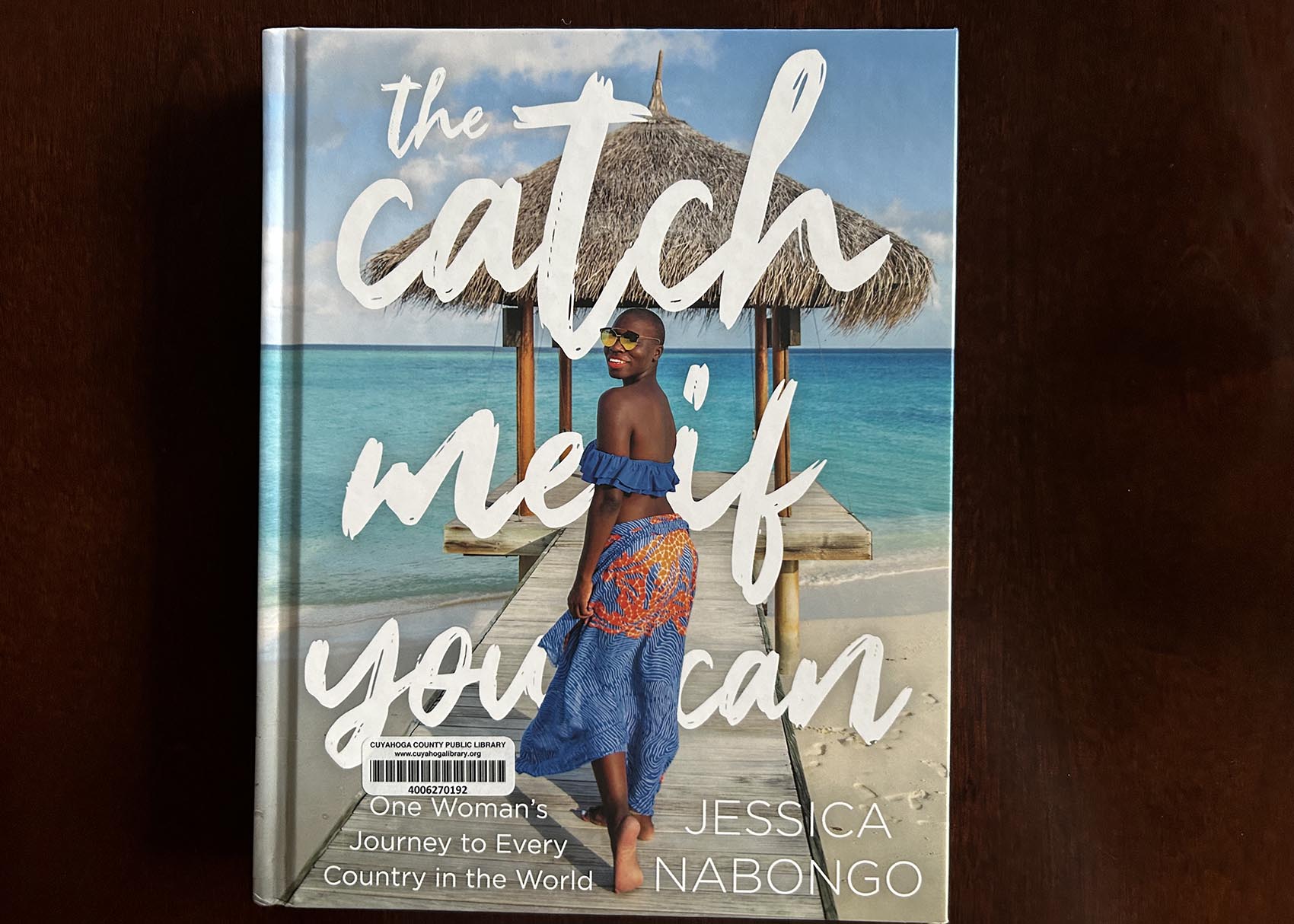
Book Recommendation- The Catch Me If You Can: One Woman’s Journey to Every Country in the World by Jessica Nabongo
If you’re looking for travel inspiration packed with adventures, let me put this beautiful book on your radar.
The Catch Me If You Can is not just a travel memoir – it’s a remarkable celebration of culture, courage, and curiosity. Jessica Nabongo made it her mission to visit all 195 countries. In this book, she highlights her experiences in her top 100 destinations.
As a travel consultant, traveler, and adventurer myself, I was immediately drawn to her story. I had so many questions: How did she do it? What did she eat? What challenges did she face as a Black woman? How did she stay so fascinated across countless time zones and security lines? Jessica answers all of that and more in her book.
Extra Reason to Pick It Up:
It’s published by National Geographic, so you already know the photography is going to be breathtaking. It’s a feast for the eyes and the traveling soul, filled with 400+ pages of vivid stories and powerful insights on identity, privilege, people, and places.
You can purchase Jessica’s book here.
Final Word:
Whether you’re a seasoned traveler or an armchair explorer, The Catch Me If You Can will inspire you to see the world—and yourself—with fresh eyes.
Have you read it yet? I’d love to hear what you think!
Restaurant Recommendation- Tatale Vegan Restaurant in Accra, Ghana
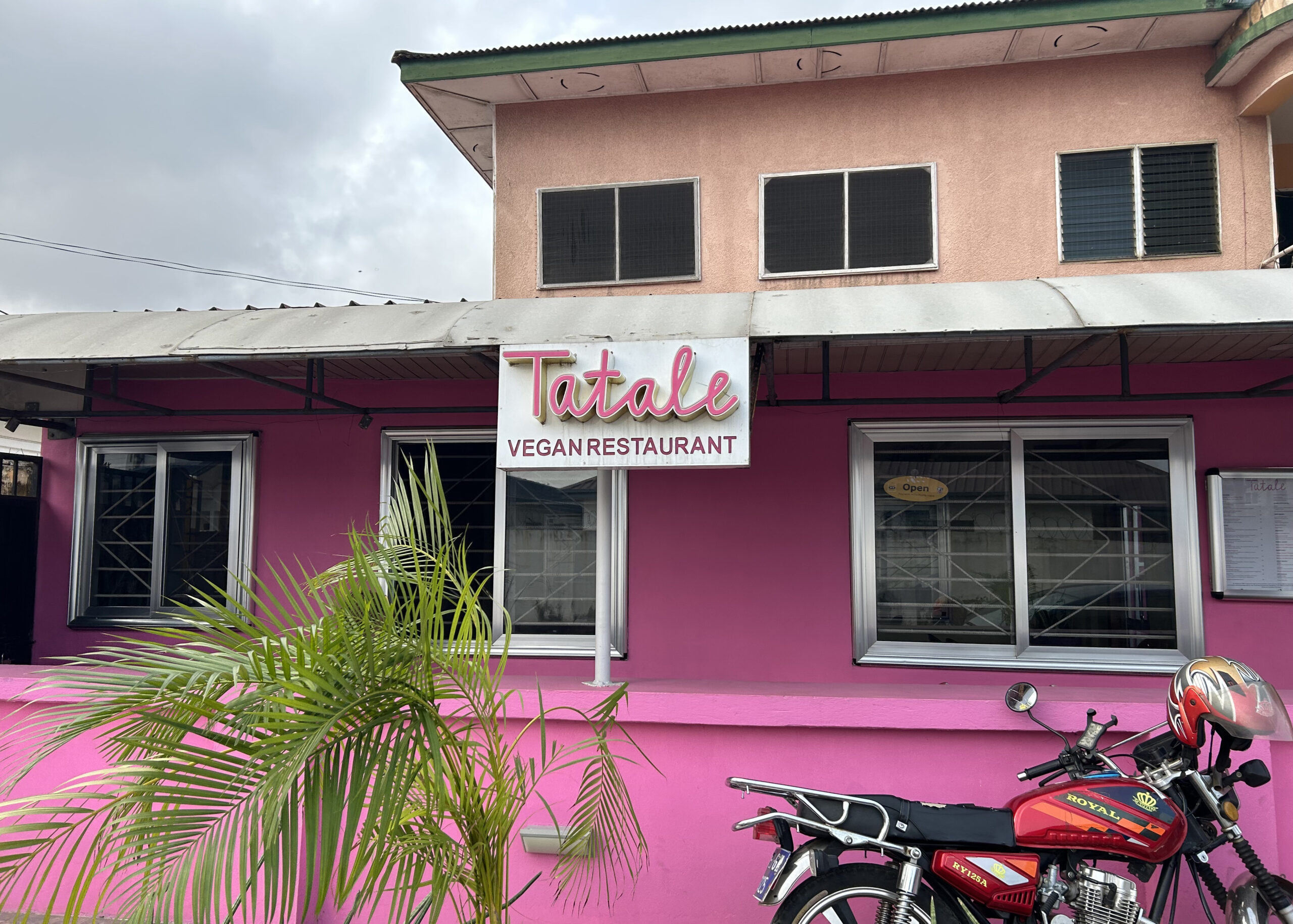
If you’re searching for flavorful, plant-based food while in Ghana, Tatale Vegan Restaurant absolutely belongs on your list.
This warm, welcoming spot takes traditional Ghanaian flavors and weaves them into creative, 100% vegan versions.
As a traveler who loves cultural experiences and great food, I’m always excited when I find a restaurant that captures the heart of local cuisine while offering something refreshingly different and nutritious. Tatale does exactly that. The menu features Tatale jollof rice, red-red (fried plantains and beans), abolo and Ghanaian greens, and many more delicious and unforgettable dishes. And so are there cool, refreshing drinks, including sobolo (hibiscus drink, with ginger and a pinch of cayenne pepper for an added kick).
Extra Reason to Have a Meal Here:
Tatale isn’t just about amazing food. The restaurant’s cozy, friendly vibe makes it the perfect place to relax, dine alone, or meet fellow travelers and locals, and savor a beautiful meal that feels good for your body and your spirit. And one more thing, the staff is friendly and wonderful at explaining what’s on the menu. My favorite dish is the Tatale Stir-Fry!
You can check out Tatale Vegan Restaurant here
Final Word:
Whether you’re vegan, plant-curious, or simply someone who loves great food, Tatale Vegan Restaurant is a must-visit. Come hungry—and leave inspired.
Have you been to Tatale yet? I’d love to hear about your favorite dish!